
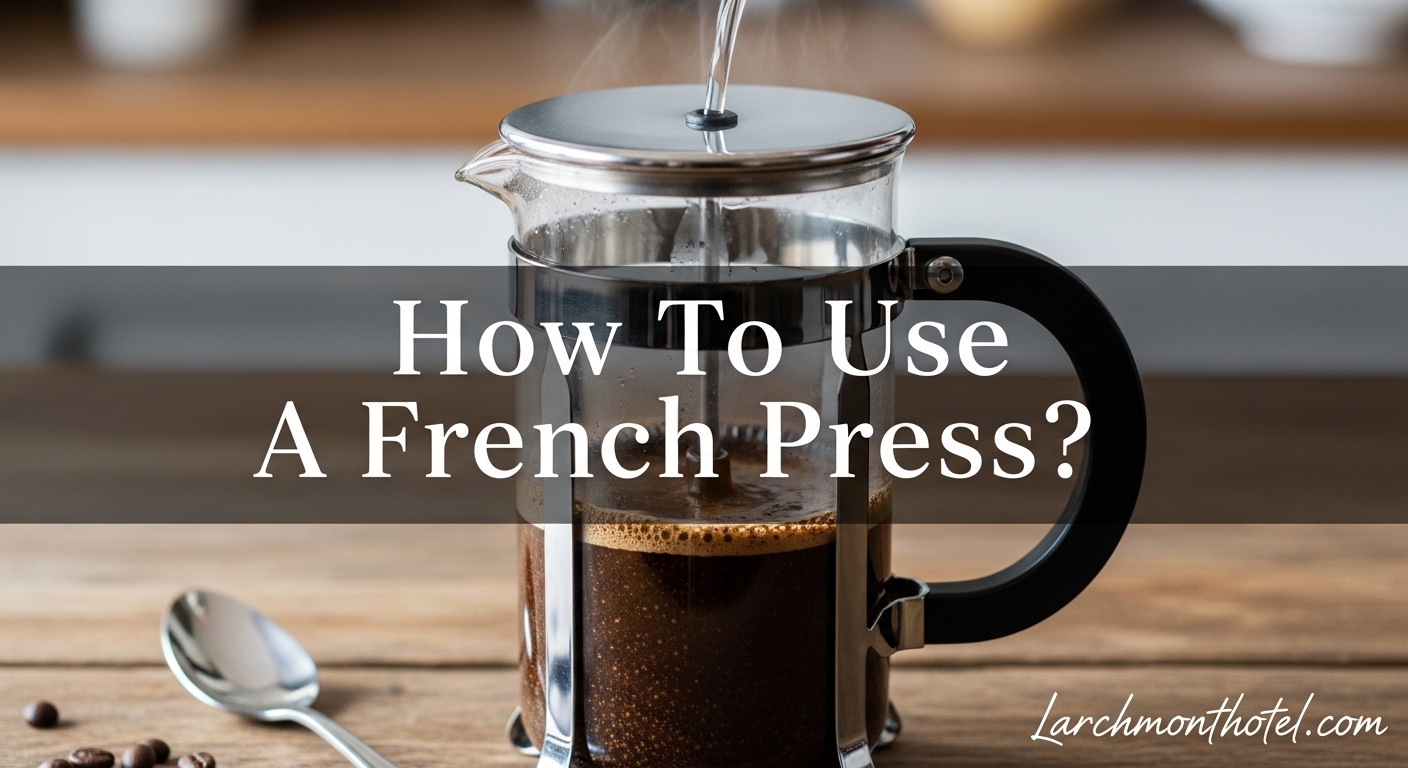
After brewing coffee every morning for the past 15 years, I’ve tried just about every method imaginable. French press remains my go-to for weekends and lazy mornings when I want to actually taste my coffee rather than just caffeinate.
To use a French press, add coarsely ground coffee to the beaker, pour 200 degree Fahrenheit water over it, let it steep for 4 minutes, then press the plunger down slowly and pour.
The French press creates the richest, most full-bodied cup of coffee you can make at home. That metal mesh filter keeps all the flavorful oils that paper filters strip away. I switched from drip to French press five years ago and never looked back.
In this guide, I’ll walk you through the exact process I’ve refined through hundreds of brews. You’ll learn the right ratio, proper grind size, and the techniques that make the difference between muddy coffee and something exceptional.
A French press is the only essential piece of equipment, but a few tools make consistently good coffee much easier. I started with just the press and a cheap blade grinder. My coffee improved 40% when I finally bought a burr grinder and kitchen scale.
Coarse Grind: Coffee grounds roughly the texture of kosher salt or coarse sea salt. Large chunks prevent over-extraction and keep sediment out of your cup.
Grind size is where most beginners go wrong. I used pre-ground coffee from the grocery store for months and wondered why my French press tasted like sludge. Those fine grains clog the mesh filter and slip right through into your cup.
Coarse grind looks like chunky pieces of salt. If your grounds resemble table sugar or powdered sugar, they’re too fine. The metal mesh filter needs chunks large enough to get caught while letting water flow through freely.
I set my burr grinder to the coarsest setting. Every grinder is different though. Start coarse then adjust finer if your coffee tastes weak, or coarser if it’s bitter.
The golden ratio for French press coffee is 1:15. That means one gram of coffee for every 15 grams of water. This ratio produces a balanced cup that’s neither too weak nor too strong.
Quick Summary: Use 1 gram of coffee for every 15 grams of water. For a standard 34oz press, that’s about 55 grams of coffee to 825 grams (or milliliters) of water.
| Amount of Coffee | Amount of Water | Servings |
|---|---|---|
| 15 grams (3 tbsp) | 225 ml (1 cup) | 1 mug |
| 30 grams (6 tbsp) | 450 ml (2 cups) | 2 mugs |
| 55 grams (11 tbsp) | 825 ml (3.5 cups) | Full 34oz press |
I prefer my coffee stronger so I use a 1:12 ratio. That means about 70 grams of coffee in my 34oz press. Experiment to find what tastes best to you. The 1:15 ratio is a starting point not a law.
Follow these seven steps for perfect French press coffee every single time. I’ve refined this process through years of brewing and countless tweaks.
Quick Summary: Grind coffee coarse. Heat water to 200 degrees. Add coffee to press. Pour water over grounds. Stir gently. Wait 4 minutes. Press down slowly. Pour immediately.
These tips took my French press game from mediocre to genuinely good. Each one addresses a specific problem I struggled with for years.
I made every mistake on this list at least once. Learn from my failures so you don’t have to repeat them.
| Mistake | Why It’s a Problem | The Fix |
|---|---|---|
| Using fine grind | Clogs filter, creates sludge, over-extracts | Grind coarse like kosher salt |
| Boiling water poured directly | Burns coffee, creates bitterness | Wait 30 seconds off boil (200 degrees) |
| Steeping too long | Over-extraction, bitter taste | Set timer for exactly 4 minutes |
| Leaving coffee in press | Continues extracting, gets bitter | Pour everything out immediately |
| Pressing too hard | Forces grounds through filter | Press slowly, don’t force it |
| Not stirring after bloom | Uneven extraction | One gentle stir after bloom |
The hardest lesson for me was stopping the steep at four minutes. I used to forget my coffee was brewing and come back 20 minutes later to undrinkable bitterness. Setting a timer solved this completely.
Time Saver: Pre-grind your beans the night before but store them in an airtight container. Fresh is better but pre-ground beats cheap pre-ground coffee from the store.
A good French press lasts for years. The three options below cover different needs and budgets.
Size: 34oz (8 cups)
Material: Borosilicate glass with stainless steel frame
Use: Standard household brewing
Origin: Made in Portugal
The Bodum Chambord is the French press that set the standard. I’ve used mine daily for three years with zero issues. The borosilicate glass handles boiling water without cracking. The stainless steel frame protects the glass from bumps and drops.
This 34oz size makes 3-4 mugs. Perfect for two people or one serious coffee drinker who wants multiple cups. The three-part stainless steel filter system screens out sediment better than cheaper presses I’ve tried.
Bodum sells replacement beakers and filters. When I eventually dropped my first beaker, I bought a replacement for $15 instead of a whole new press. This alone makes the Chambord a long-term investment worth the slightly higher upfront cost.

Size: 12oz (1-2 cups)
Material: Borosilicate glass with stainless steel frame
Use: Single serve or couples
Origin: Made in Portugal
The 12oz Chambord is exactly what I needed when I was single and only making coffee for myself. It brews one large mug perfectly. No waste, no leftovers sitting in the press getting bitter.
This smaller press uses the same design and materials as the 34oz version. Same borosilicate glass, same stainless steel frame, same three-part filter system. Just sized down for solo brewing.
I still keep my 12oz press for quick weekday mornings when I only want one cup before work. It heats faster, brews faster, and uses less coffee. Perfect if you’re the only coffee drinker in your household.

Size: 16oz
Material: 18/8 stainless steel
Features: Integrated press in travel mug
Insulation: 4 hours hot
Brew time: 5 minutes
This Stanley is brilliant for anyone who brews coffee away from home. It’s a travel mug with an integrated French press filter. Brew right in the mug, press it down, drink directly from the same container.
The 16oz capacity holds one good-sized mug. Vacuum insulation keeps your coffee hot for four hours. I take this camping and to work. No fragile glass to worry about and no separate mug needed.
The mesh filter is built into the lid so it’s one less piece to lose or clean. Stanley’s lifetime warranty on this product shows they stand behind it. Stainless steel means it’ll probably outlast me.
Pro Tip: Pour your French press coffee into a preheated mug immediately after brewing. Coffee left in the press continues extracting and turns bitter within 10 minutes.
Rinse your press immediately after use while the grounds are still wet. Waiting until later makes cleaning ten times harder. I dump the grounds into compost then rinse everything in the sink.
Once a week, disassemble the filter completely. The three-part filter system needs thorough cleaning to remove built-up oils. Hot soapy water and a soft brush work fine. Avoid abrasive scrubbers that can scratch the mesh.
Never put your French press in the dishwasher if you can avoid it. The detergent can be harsh on the mesh filter and high heat can damage some glass beakers. Hand washing takes two minutes and extends the life of your press significantly.
The golden ratio for French press is 1:15 – one gram of coffee for every 15 grams of water. For a standard 34oz press use about 55 grams of coffee to 825 milliliters of water. Adjust to taste from there.
Steep French press coffee for exactly 4 minutes. Less than 3 minutes produces sour under-extracted coffee. 5 minutes or more creates bitterness. Set a timer for best results.
No special coffee required but coarse grind is essential. Any whole bean coffee works when ground coarse. Medium and medium-dark roasts tend to perform best in French press brewing.
Yes but only once. Give a gentle stir after the 30 second bloom to ensure all grounds are saturated. Avoid aggressive stirring which stirs up sediment that ends up in your cup.
You can but results will be muddy. Pre-ground coffee from the store is ground fine for drip brewers. It passes through French press mesh filters creating excessive sediment. Buy whole beans and grind coarse.
Over-steeping creates bitter harsh coffee. Extraction continues past 4 minutes pulling unpleasant compounds from the grounds. If you forget your coffee for 20 minutes it will be undrinkably bitter.
French press rewards patience and attention to detail. The difference between careless brewing and following these steps is remarkable. My first dozen attempts produced mediocre coffee. Once I nailed the ratio and timing everything clicked.
Start with the basics: coarse grind, 1:15 ratio, 200 degree water, 4 minute steep. Master those fundamentals before worrying about advanced techniques. Consistent good coffee beats occasionally great coffee every time.
The equipment matters less than I initially thought. A $20 French press with good beans and proper technique beats a $100 press with pre-ground stale coffee. Focus on fresh beans, proper grinding, and consistent timing. Everything else is secondary.